10 Standout Display Fonts to Transform Logos and Brand Identity
I got tired of scrolling through the same boring fonts over and over. Every project started with: “Great, nothing fits again.”
Then I discovered display fonts — and everything changed. One right typeface turns an ordinary layout into something eye-catching. No exaggeration.
Over the past few months, I’ve tested dozens of typefaces from Creative Fabrica. Tried them on posters, covers, craft projects. Filtered out the ones that looked pretty but were unreadable. Or readable but dull.
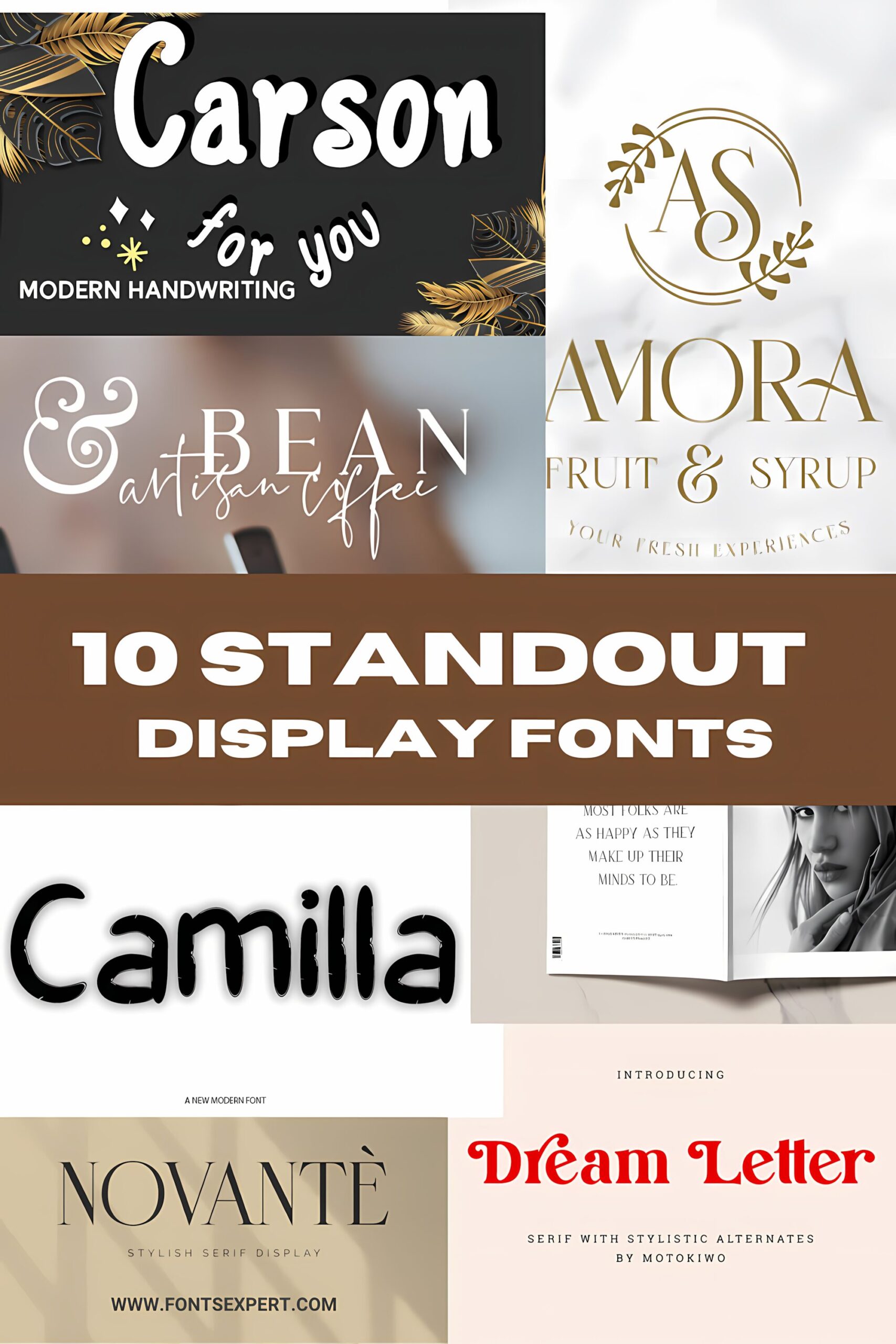
Finally, I put together 10 display fonts that actually work. Each one balances style and function. From elegant Dream Letter to nostalgic Madegra.
Plus, all fonts come with a license. Use them for personal or commercial projects — no headaches.
Let’s dive in!
1. Dream Letter Display Serif Font
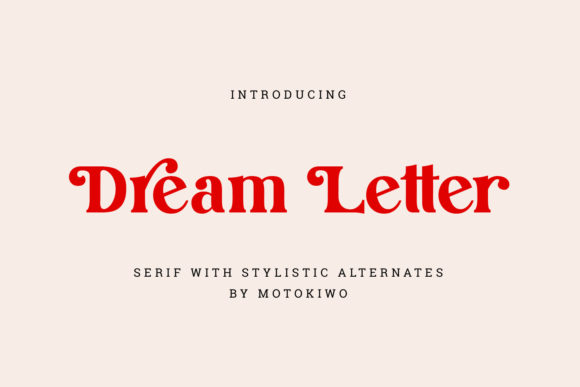
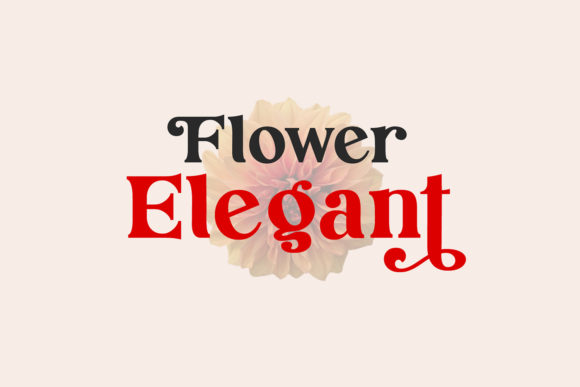
Dream Letter is the serif I reach for when a project needs refined elegance with solid readability. I use its Bold and Regular styles for logos, high‑end branding, wedding invites, and posters—its stylistic alternates let me tweak initials and headlines without rebuilding layouts.
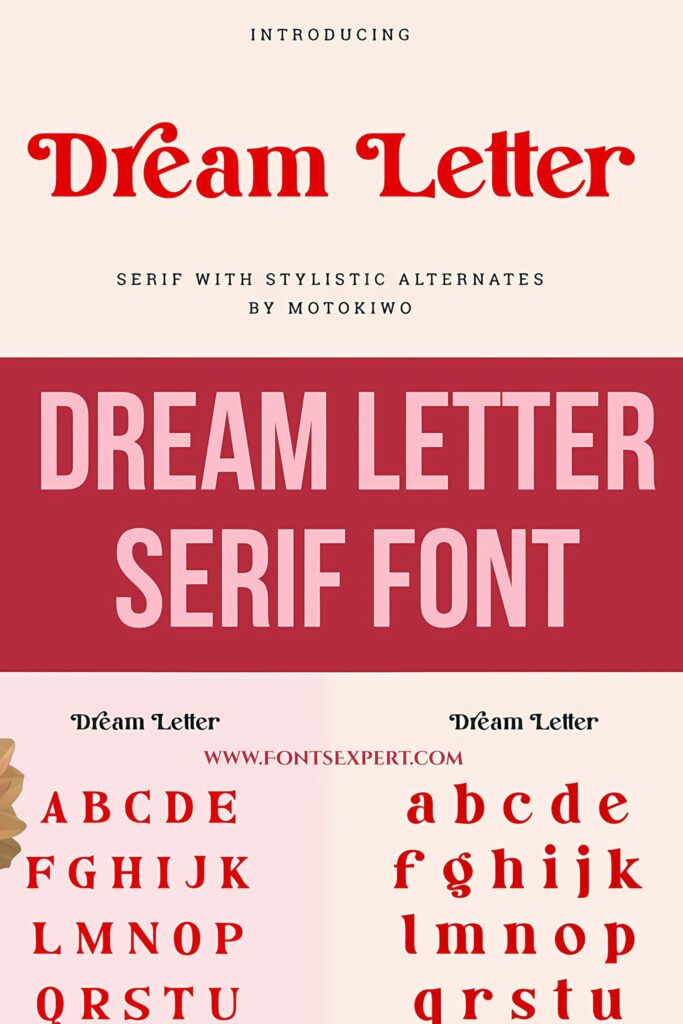
Available in OTF, TTF, and WOFF, with PUA‑encoded special characters and multilingual support, it’s reliable across apps. Smooth ligatures and clear proportions keep text readable at small sizes, but Dream Letter truly shines as a display choice among Display Fonts when I want polished, memorable typography.
2. Brooké Display Serif Font
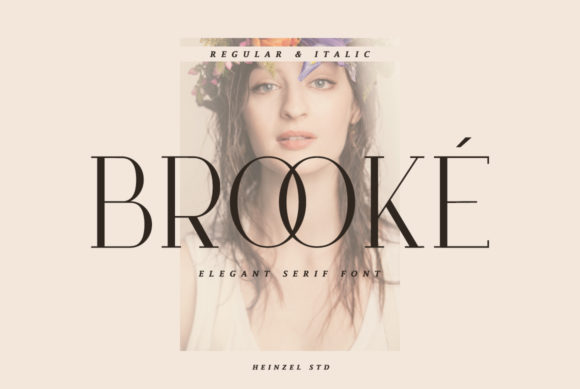
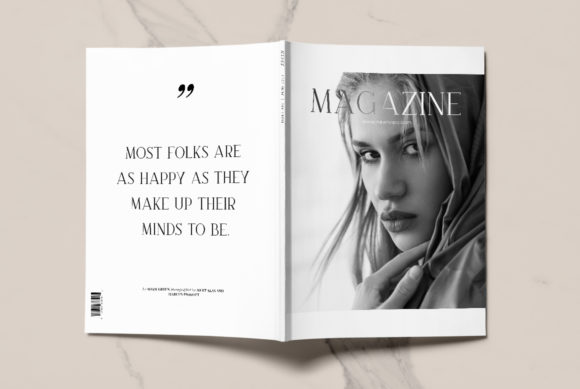
Brooké is the serif I turn to when a project needs quiet elegance with modern clarity. Its clean lines and subtle curves work across editorial layouts, logos, premium packaging, and social graphics — I rely on its multiple weights (Regular, Bold, Black) and Italic to get hierarchy right.
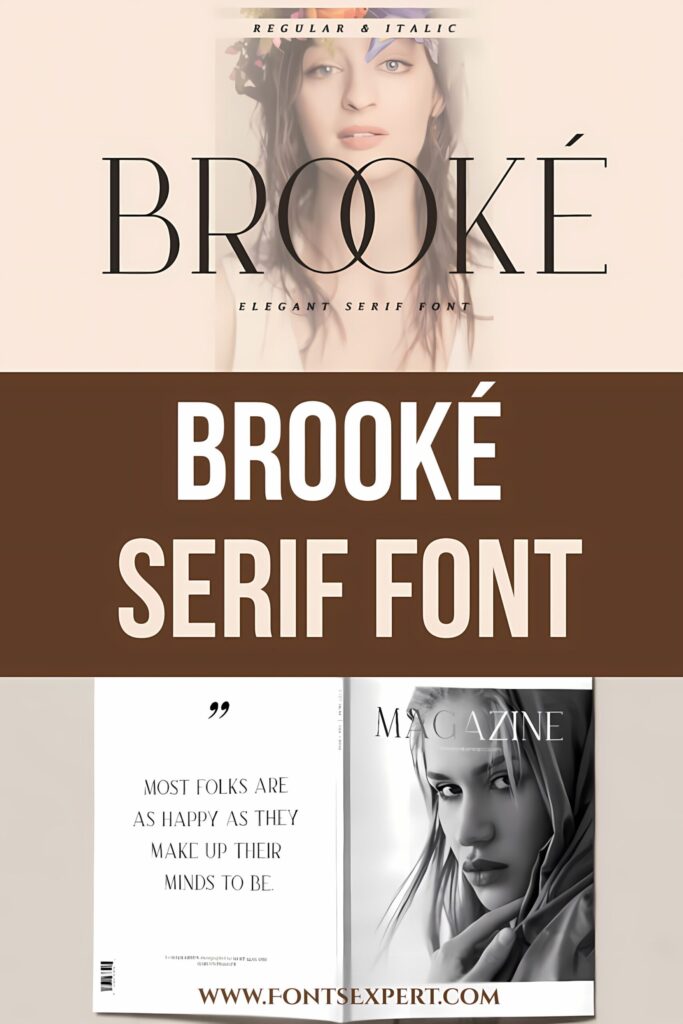
The family’s multilingual support, OTF/TTF/WOFF formats, and PUA‑encoded characters make it plug‑and‑play in any workflow. Brooké reads beautifully at headline and body sizes, so it’s become a staple among my Display Fonts for refined, versatile designs.
3. The Fieasto Display Fonts
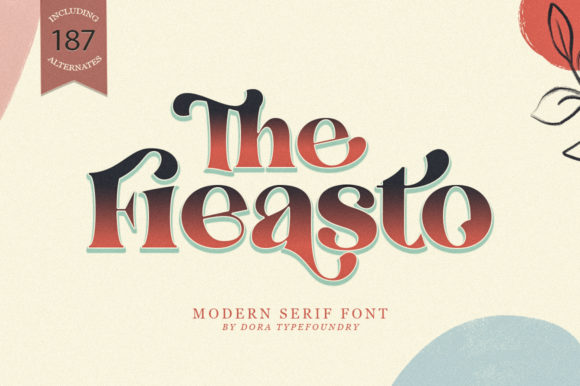
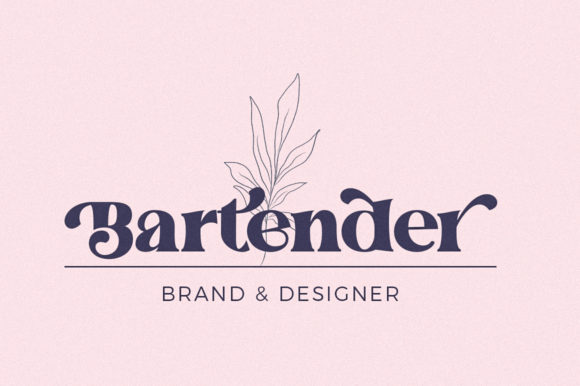
The Fieasto is the serif I reach for when a project needs high‑fashion impact with unexpected warmth. Its high‑contrast strokes nod to Didot while slightly shorter lowercase heights lend a friendlier, contemporary vibe.
I use it for fashion logos, magazine headlines, wedding invites, and editorial pull quotes—places where display Fonts must read bold and elegant. With 378+ glyphs, multilingual support, alternates, and full PUA encoding, it’s plug‑and‑play across apps and keeps my typographic work both striking and versatile.
4. Cholens Serif Font
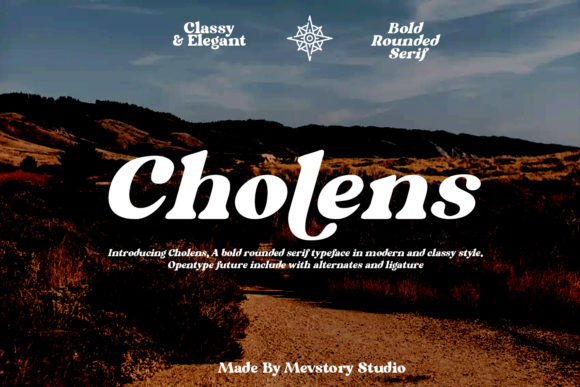
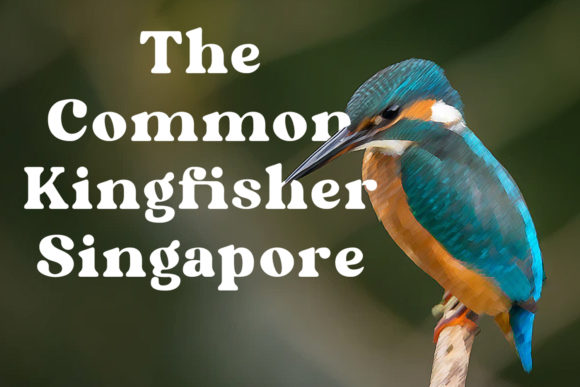
Cholens is the rounded serif I reach for when a project needs bold elegance with a friendly tone. Its smooth, hefty letterforms work great for headlines, logos, product packaging, and editorial layouts—where display Fonts must grab attention without losing clarity.
I rely on its OpenType features (ligatures, old‑style figures) and OTF/TTF/WOFF support to drop it into any workflow. Cholens reads strong at large sizes and stays readable in short copy, making it a versatile staple in my toolkit of Display Fonts.
5. Oliva Heavyweight Serif Font
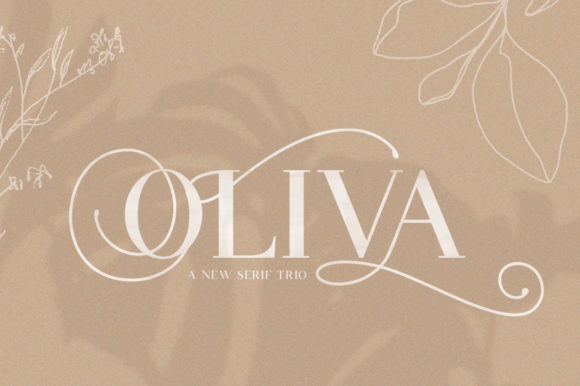
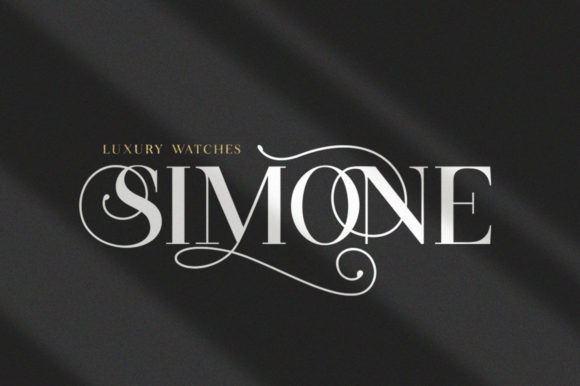
Oliva is the heavyweight serif I reach for when a project needs bold, retro‑inspired impact with modern polish. Its strong, calligraphic‑tinged forms work brilliantly for logos, headlines, packaging, and poster art—anywhere Display Fonts must command attention.
I switch between upright and italic styles to add motion or emphasis, and rely on its OpenType features, extensive glyph set, and broad language support to handle complex typographic needs. Oliva reads powerful at large sizes yet keeps clarity in short copy, making it a go‑to Display Fonts pick for projects that need character and presence.
6. Camilla Handwritten Serif Font
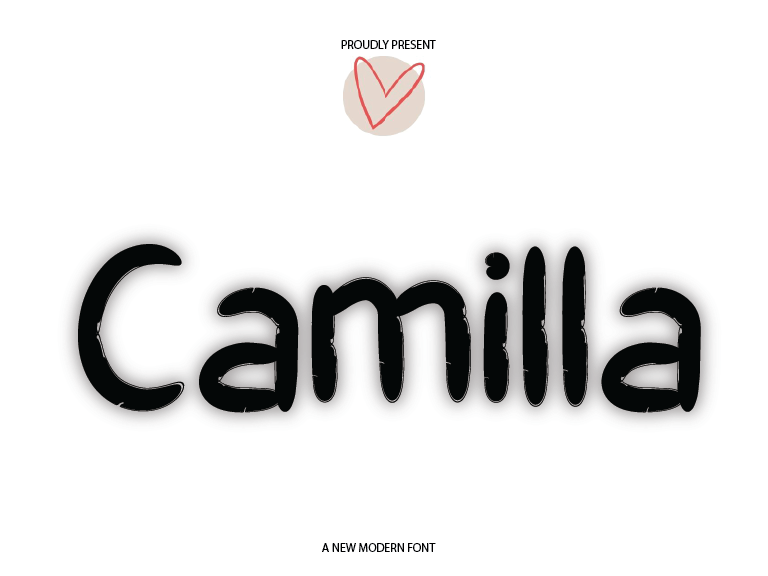
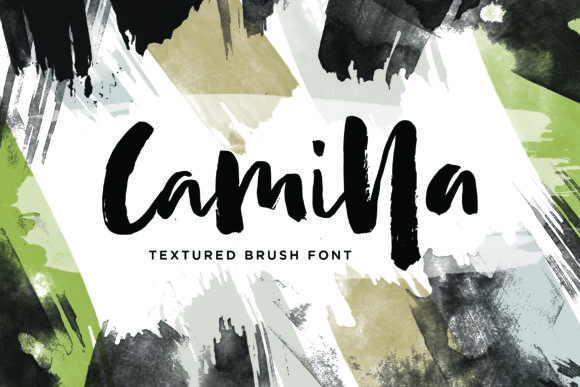
Camilla is the handwritten‑inspired serif I pick when a design needs modern elegance with a warm touch. Its clean Didone influences and smooth strokes work great for branding, wedding invites, fashion editorials, and social headers.
I rely on its multiple weights and excellent language support to keep layouts flexible. A refined, versatile choice among Display Fonts that lifts both headlines and subtle typographic details.
7. Madegra Serif Font
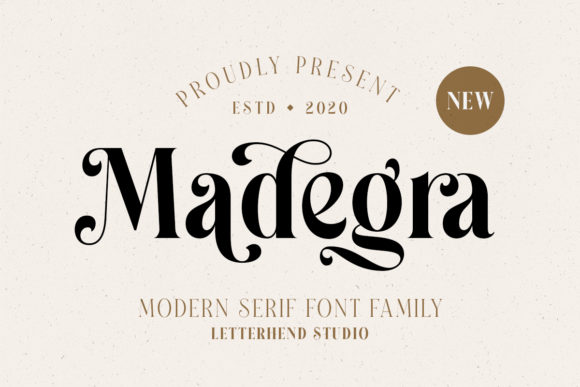
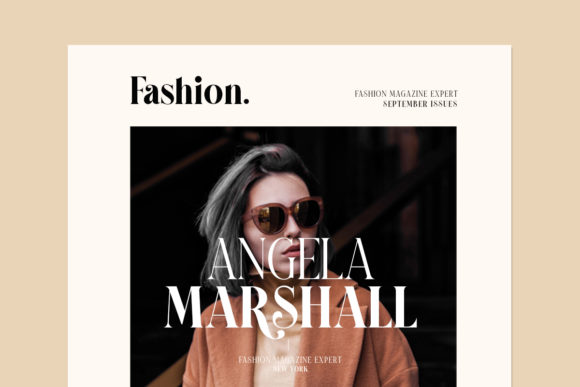
Madegra is the retro serif I reach for when a design needs nostalgic charm with modern polish. Its varied baseline, smooth strokes, and lovely alternates give headlines and logos a vintage personality that still reads clean.
I use it for posters, packaging, editorial mastheads, and branding that call for a throwback vibe. PUA‑encoded glyphs make accessing swashes and special characters effortless. A favorite in my toolkit of Display Fonts for projects that need character and warmth.
8. Wild & Folk Serif Font
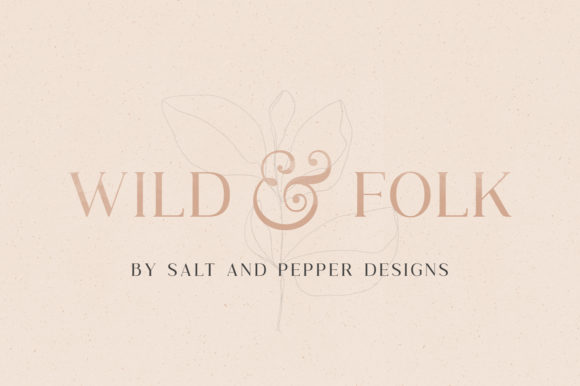
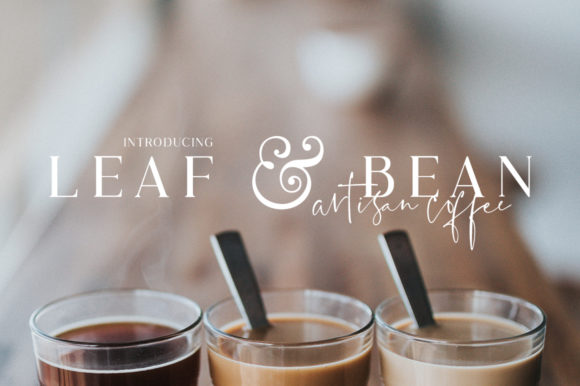
Wild & Folk is the serif I reach for when I want classic lettering with modern clarity. Its clean lines and balanced spacing make it ideal for magazine layouts, logos, wedding stationery, and social headers.
I use it where readability matters—works well at both headline and short‑copy sizes. Cross‑format support and web fonts mean I can deploy it across print, web, and cutting machines without fuss. A reliable pick in my collection of Display Fonts for timeless, versatile designs.
9. Carson Sans Serif Font
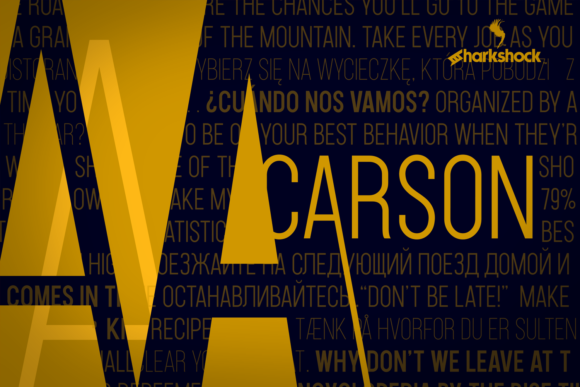
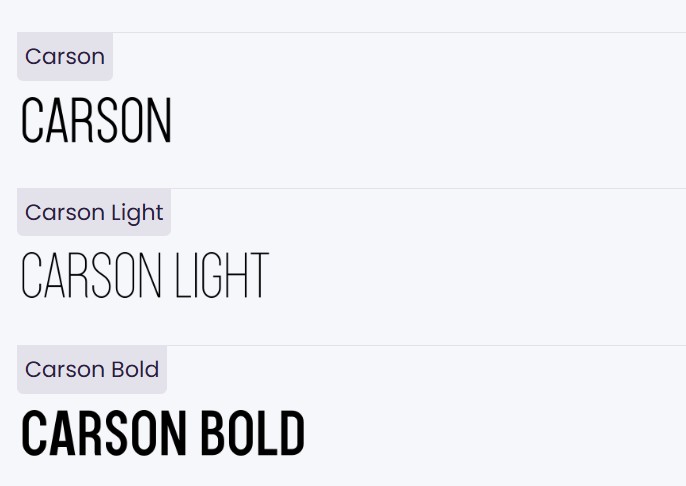
Carson is the all‑caps display I grab when a design needs clean, compact impact. Its three weights and semi‑condensed proportions fit tight spaces—great for logos, subtitles, posters, and book headers.
The consistent stroke gives a neutral, modern feel, while the Bold adds subtle contrast on curves for personality. With Latin, extended Latin, Cyrillic, diacritics, punctuation, and kerning included, Carson slides smoothly into any workflow. A dependable choice among Display Fonts when I need clarity and presence.
10. Novante Serif Font
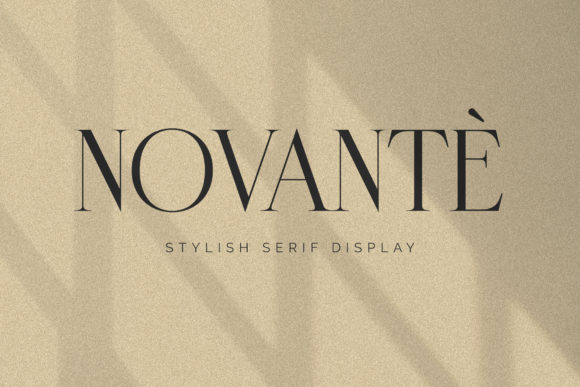
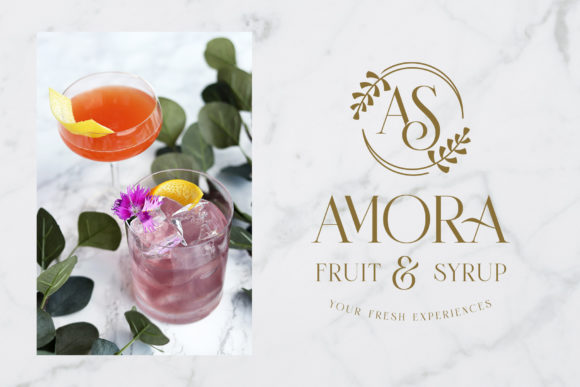
Novante is the serif I reach for when a project needs refined simplicity with instant presence. Its clean, elegant forms work perfectly for logos, branding, social posts, and crafty DIY projects—I use it when I want a polished look without fuss.
Novante reads strong at headline sizes and pairs well with minimal sans serifs for balance. A versatile staple in my toolkit of Display Fonts that makes identities and promotional pieces feel professional and modern.
Conclusion
Curating this collection has reaffirmed my belief that great design often starts with the perfect typographic voice. Each of these display fonts is more than just a typeface; it’s a ready-made mood and a powerful tool for any creative project. In this year, where visual impact is everything, fonts like these are our secret weapon.
Their true power lies in balance. The bold character of Oliva shouts a brand’s identity, while the delicate swashes of Madegra whisper a story. Whether it’s the versatility of Camilla with its 14 styles or the refined elegance of Dream Letter, there’s a solution here for every need. This isn’t just decoration—it’s functional artistry that communicates before a single word is read.
What’s crucial is the thoughtful design behind the style: multilingual support, technical specs, and accessibility. The fact that many of these stunning display fonts are free to download and test in real projects is, for me, an invaluable advantage.
Trends fade, but exceptional typography is timeless. These fonts have become my go-to palette for work that needs to be not just seen, but remembered. Give them a try—they’ve certainly earned a permanent spot in my creative toolkit.
My Key Takeaways
Putting this list together really drove home for me that the best display font isn’t the most ornate one, it’s the most fitting one. This collection is essentially a ready-made toolkit for solving different design problems. Here’s what I learned by examining each one.
- Personality vs. Readability. I was struck by how each font finds its perfect balance. Even the most expressive ones, like Oliva, stay crisp and functional. They’re not just decorative pieces, but practical tools.
- Ready for Action. As a designer, having everything I need from the start is crucial: Cyrillic support, alternate glyphs, multiple weights. These display fonts take the compatibility headache off my plate.
- One Story, Different Voices. You can completely change a project’s vibe just by switching the typeface. The elegant Dream Letter and the energetic Camilla can tell the same story in totally different tones.
- Freedom to Experiment. Knowing a font comes with a commercial license gives me peace of mind for client work. And the chance to download free fonts for testing lets me “try them on” before committing.
In the end, these display fonts have become more than a collection—they’re a reliable toolkit. They offer both the boldness to experiment and the confidence in the final result, which is exactly what I look for in any design tool in this year.
FAQs
- Q1: Which Display Fonts do I use most? I favor Dream Letter, Brooké, The Fieasto, Cholens, and Oliva for their distinct looks and versatility.
- Q2: How do I pick a Display Font? I match tone, readability, and technical needs (multilingual support, weights, alternates).
- Q3: Are these licensed commercially? Yes — I verify commercial licenses before use.
- Q4: Which file types do I need? I expect OTF/TTF and web-ready WOFF/WOFF2.
- Q5: Why use Display Fonts? I use them to add personality and impact to headlines, logos, and key visuals.
Ready to transform your next project?
Browse all Display Fonts on Creative Fabrica
You may also like:
Disclosure: This post contains affiliate links. If you make a purchase through my links, I may earn a small commission at no extra cost to you. Thank you for supporting my site!